

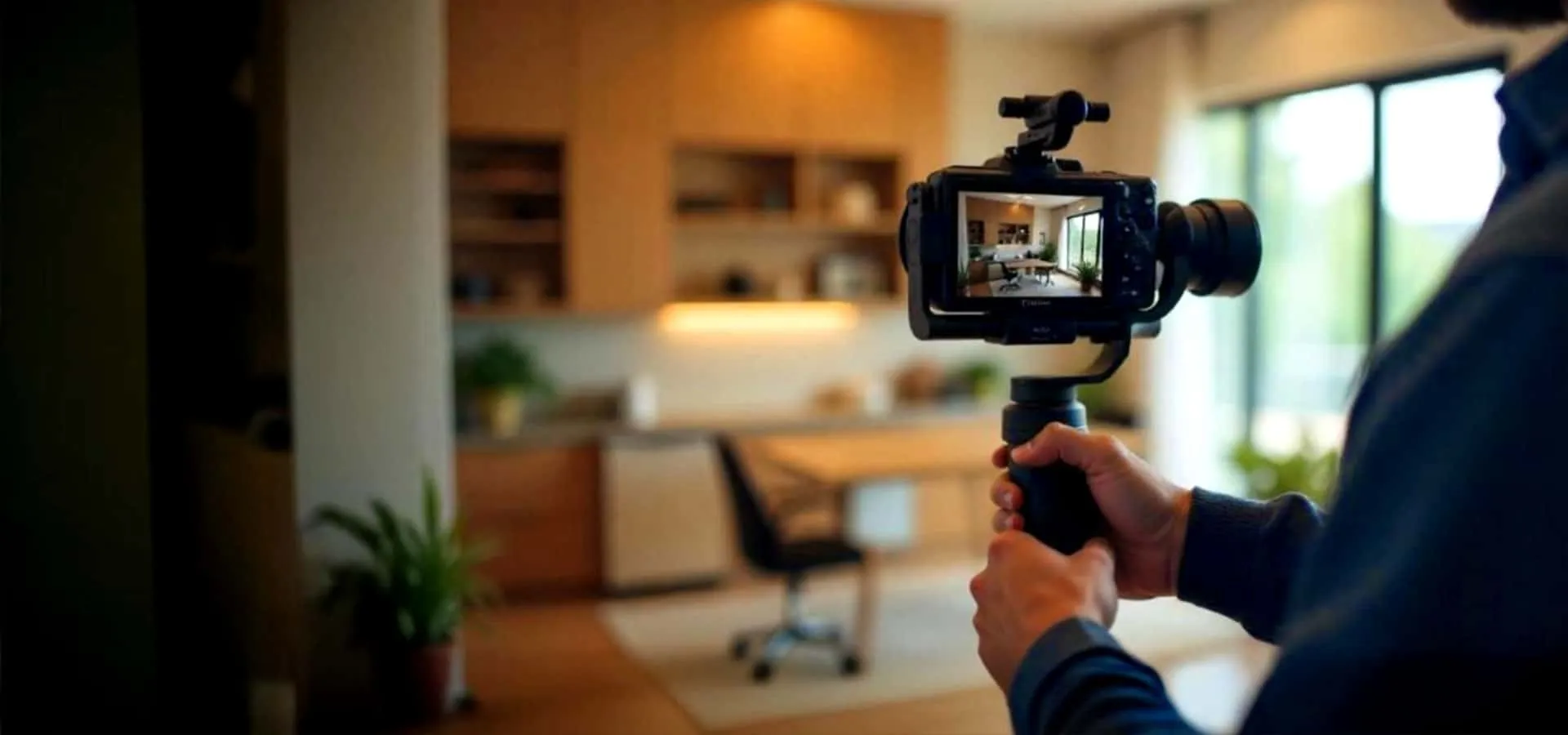
Visuals have never been more essential in today’s competitive real estate market than they are now. Buyers’ are no longer dependent on just images or descriptions when they are looking at properties; instead, they want such experiences that allow them to check out homes and offices without any trouble on their devices. Thus, the use of Real Estate Videography Glenview has turned out to be the most powerful weapon in the hands of agents, developers and property owners who want to impress their clients with a fabulously way of listing presentation.
Real Estate Videos can lead to Greater Transactional Success
Video is more powerful than a bunch of photos because it reveals the layout, the source of light, and the general mood of the property in a way that photos can’t. Exciting videos enable potential buyers to see the future, and the videos make them feel that they might really live there; thus, they forge the emotional connection, which is not possible with just images. Studies demonstrate that listings with videos receive higher click-through rates and faster conversion rates compared to listings without videos.
Video Storytelling through Videography
Real estate videography goes beyond documenting rooms; it is about crafting an engaging narrative that guides viewers through a property, emphasizing its unique features and lifestyle advantages. Filming a family home video requires creating an eye-catching tale that captures curb appeal before showing interior spaces with warm hues, before showing the outdoor areas for gatherings – turning an ordinary listing into something aspirational that allows viewers to imagine themselves living there! This storytelling approach transforms simple listings into aspirational visions.
Types of Real Estate Videography
Real estate marketers employ various styles of videography when marketing real estate properties. Walkthrough videos show potential buyers a property visually, with the commentary of an agent. The agent’s voiceover can also be accompanied by drone footage for the view from the air of large estates or properties with attractive nature scenery. Lifestyle videos are more comprehensive by having actors or staged scenarios to show how residents can use the spaces, all of them being aimed at different buyer engagement levels.
Technology Advancements
Technological Advancements have reshaped the whole concept of real estate videography to the extent that now it is unrecognizable from what it used to be. High definition cameras, stabilizers, and drones enable videographers to create cinematic-quality videos of listings; virtual reality tours offer buyers a visually appealing way to visit properties. These innovations not only make the listings more attractive but also give the agents more opportunities as they can reach out to the buyers from different parts of the world who are unable to make a physical visit to the properties.
Benefits for Agents and Sellers
Real estate agents understand that the use of videography is their gateway into a competitive, lasting position rather than just a temporary trend. The video is an essential tool to set themselves apart in the saturated markets of goods, thus consolidating their personal brands and gaining the trust of clients. Sellers obtain the advantage of selling their properties in less time and, possibly, at a higher price since buyers tend to perceive homes advertised through videos as top listings. Furthermore, video content can be reused across websites, social media channels, email blasts or email blasts in order to maximize exposure for their properties.
Best Practices of Real Estate Videography
Real estate videography needs to be approached strategically for optimal results. Lighting should be key; natural light adds appeal and atmosphere. Smooth camera movements and thoughtful editing give real estate videos an expert feel, adding emotional depth with background music or voiceovers as needed; concise scripts keep viewers engaged, while authenticity must always remain at the core.
Real estate videography has been the major change agent in property marketing, turning it into a visually gripping and emotionally engaging journey that very effectively reaches out to the contemporary buyer. The use of storytelling, technology, and professional production techniques in a single video campaign for a listing is not only a way to create awareness among agents and sellers but also a sure way to facilitate the process of selling real estate at a quicker rate and with higher gains. As the real estate sector continues to change, video will still be at the center of the most successful marketing strategies, making the transition from online allure to real-world deals smooth and easy.
Drone Photography: Transforming Visual Storytelling
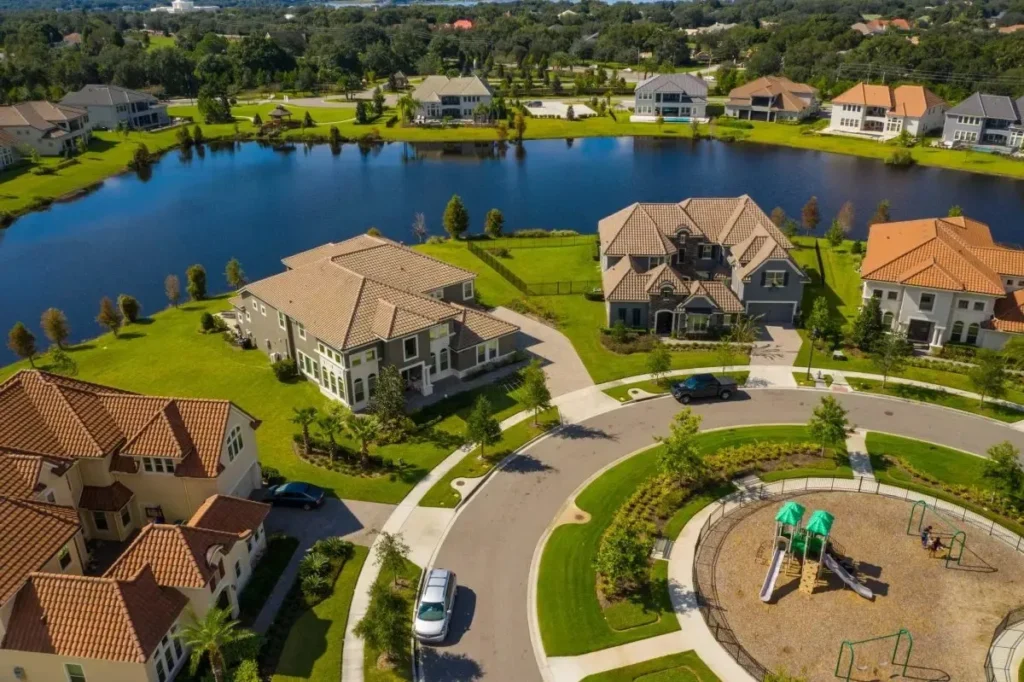
Photography has changed the way we visually capture our surroundings and the way we are able to experience them. The revolutionary use of drones as a new source of view has provided several industries, such as real estate, tourism, journalism, and film-making, with unlimited opportunities. The creative use of photography was once the privilege of only very few, such as people who had access to a helicopter or expensive equipment. Nowadays, it has become a medium through which both professionals and enthusiasts can tell the most visually appealing stories. This makes Chicago Drone Photography one of the most significant advancements in modern storytelling.
Drone Technology Has Come into Its Own
The improvement in the quality of drones, their lightweight nature, better high-resolution cameras, and easier-to-use controls have all contributed to a dramatic rise in the popularity of drones over the past ten years. Initially, the drones were used for military purposes only and then, that was the dominant application for the drones, but promoters of commercial and recreational drones were quick to realize this potential, and thus, their products soon occupied the market. Moreover, they now have a GPS for stabilization, obstacle avoidance, and preset flight routes so that they are able to take breathtaking pictures from the air effortlessly and accurately.
Unique Perspectives and Creative Freedom
Drone photography is a means by which artists can escape the usual limitations of shooting from the ground. In essence, aerial pictures allow people to see for themselves the earth, cities and even the most staggering architectural works from a height – such as endless views of rural areas, mountain ranges or city skylines that a ground camera cannot provide. Moreover, this artistic freedom gives the artist the possibility to try new angles, compositions and transitions, which in turn, become his work at a higher level than the conventional one.
Applications across Industries
The turnable drone photography is, the more important it becomes, an indomitable weapon in a multitude of fields. Real estate agents use the videos of houses and areas captured from the sky to show buyers where actually they will have a more complete view the house and neighborhood. Thus, practically the whole tourism business is based on the use of beautiful aerial shots (to lure tourists), meanwhile filmmakers employ drones to get the desired cinematic shots without the need for cranes or helicopters. Journalists utilize them to capture events from a different viewpoint, thus giving more detail and extent, while filmmakers use drones to get the desired cinematic effects without the need for cranes or helicopters. Finally, agriculture is heavily dependent on them, as aerial photos can easily show the crop health and land conditions.
Enhancing Storytelling
At its core, drone photography is about storytelling. Aerial images add drama, scale, and emotion to narratives, whether for promotional videos, documentaries, personal projects, or any other purpose. One of the ways to show stark contrasts between natural and artificial environments is to take photographs of the scenes from a high angle. Photographers can also use such images to acquaint people with patterns that are not visible from the ground and to involve people more deeply in the experience; thus, drone photography is not only a technical development but an artistic one as well.
Considerations and Challenges
Despite the numerous benefits that drone photography has, it still has some problems of its own. Local regulations vary widely between countries and require operators to adhere to specific flight zones, altitude limits and privacy concerns when flying drones. Sometimes weather might become a deciding factor, for instance, how strong winds or heavy rain can deteriorate the stability or quality of an image – thus mastering drone controls as well as camera settings is something that needs practice and skill; responsible drone photography means, among other things, creativity, legality, respect for the environment and self-protection during taking photos.
Drone Photography Is the Future
The future of drone photography is very promising with the advancement of technology. Some of the creative possibilities will be further extended by advancements such as artificial intelligence-powered flight systems, enhanced obstacle detection technology, and ultra-HD cameras. The use of virtual and augmented reality might also let people experience drone footage in a more engaging way; since drones are getting cheaper and more accessible, we can surely expect aerial photography to be a standard source of work both for professionals and a community of lovers.
Drone photography has revolutionized the visual landscape by providing insights that were previously out of reach. Drones are now essential to narrative methods, whether it is by recording breathtaking nature views or by helping businesses with their marketing campaigns. Although there are some difficulties, the possibilities for drones ‘ artistic work and inventive solutions are much greater than the challenges and as the tech keeps on developing, drone shots will be the major source of visual transformation not only for today but also for the coming photographers and audiences, thereby becoming a never-ending source of inspiration.
—————-
Faq’s:
What is real estate videography?
Real estate videography is the practice of creating professional video tours and promotional content for properties. It showcases homes, commercial spaces, and land in a dynamic way that helps potential buyers visualize the property more effectively than photos alone.
Why is videography important in real estate marketing?
Video captures the flow, atmosphere, and lifestyle potential of a property. It builds emotional connections with buyers, increases engagement, and often leads to faster sales compared to listings with only photos.
Why is drone photography popular?
Chicago Real Estate Photography – Provides unique aerial views, adds dramatic scale to visuals, and is more affordable and accessible compared to helicopters or cranes. It’s widely used in real estate, tourism, filmmaking, and journalism.
What industries benefit most from drone photography?
Real estate, construction, agriculture, tourism, filmmaking, journalism, and event management all benefit from drone photography due to its ability to showcase large areas and provide detailed aerial insights.
One Response